
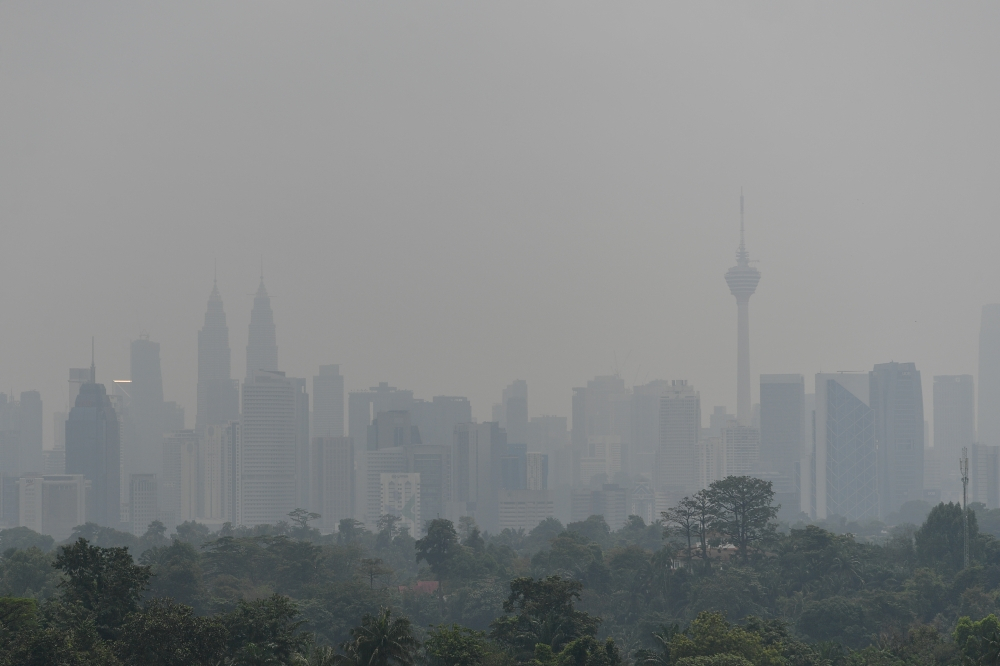
Remember when the haze was just an occasional unwelcome visitor? For East Malaysia, it rolled into the lexicon back in the mid-90s, a hazy orange blanket that turned the skies spectral and made breathing feel like inhaling a campfire. By the early 2000s, it had spread across the South China Sea to blanket Peninsular Malaysia too, turning what should have been crisp, sunny tropical days into apocalyptic ghost towns.
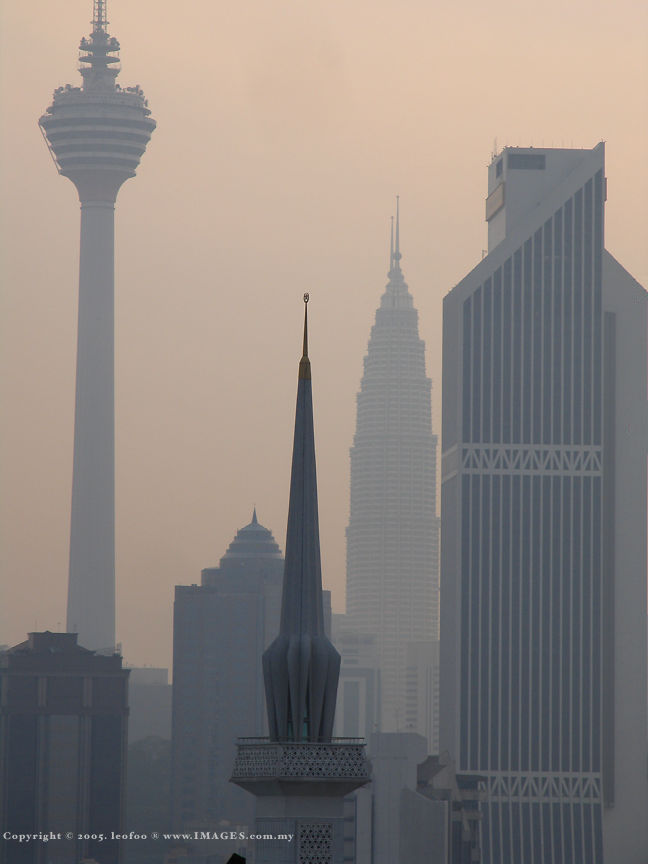
Fast forward to today, and the story hasn’t changed much, except the scale is staggering. Sarawak is currently sweating through a severe air pollution crisis and transboundary haze emergency, with the Air Pollutant Index (API) pushing past the hazardous 500 threshold and forcing the closure of 647 schools. Even though King Sultan Ibrahim has officially approved the termination of the state of emergency in the Serian district, authorities are quick to warn that pollution levels remain perilously “very unhealthy”. Meanwhile, West Malaysia isn’t spared either; Penang’s Minden Heights area has logged an unhealthy API of 142 alongside severe thunderstorms. Aiyoyo! At this rate, everyone is going to need an industrial-grade oxygen tank just to walk out of the house.
The source of this misery is as familiar as it is frustrating: open burning to clear land for agriculture, predominantly originating from Sumatra and parts of Kalimantan across the border in Indonesia. But here lies the bitter, choking irony that we rarely like to talk about over our teh tarik and roti canai. A significant number of the plantation companies driving these massive land-clearing operations aren’t just foreign entities, they are Malaysian-owned or Malaysian-backed corporations operating abroad. We export our capital, clear the land through cheap open-burning shortcuts, and then import the smoke right back into our own lungs. As the old Malay saying goes, bagai mengata huduh di rumput di parit, rumput di cermin diri tidak tersedar; we love to point out others’ flaws while ignoring our own mess. Or to put it bluntly, bukan hodoh rupa dicermin, tetapi suci di mata sendiri. Talk about reaping what you sow. Or, in this case, kepala bapak dia, burning what you clear and then acting blur when the smoke crosses the Straits. Whateverlah, right?
For decades, our collective reaction has been steeped in the quintessential Malaysian tidak apa (never mind) attitude. A shrug of the shoulders, a complaint about the stinging eyes, a face mask pulled up, and a muttered whateverlah. It’s a systemic apathy that plagues not just how we look at regional environmental disasters, but how we behave. Hang pening kepala buat apa? Just close the windows and let it be, kan?
Which brings us to an uncomfortable behavioral quirk we need to confront: the double standard of civic discipline. We’ve all seen or heard of the classic playbook; behave like a model citizen when the heavy hand of local law enforcement is watching, but throw caution to the wind the moment we cross borders where enforcement is laxer or consequences feel distant. Some critics draw comparisons to our neighbors down south, noting how easily people can slip into a mindset where rules only matter if there’s a heavy fine attached. It’s like kera kena belacan; jumping all over the place the moment nobody is watching. If we only practice environmental stewardship or corporate responsibility because someone is holding a stick over us at home, we aren’t actually responsible citizens; we’re just obedient out of fear. Takkan nak tunggu sampai rebah baru nak ingat Tuhan?
The haze won’t stop until that mindset shifts. Whether it’s a multi-million-dollar plantation conglomerate cutting corners in Sumatra or an individual tossing rubbish out of a car window because “someone else will clean it up,” the root cause is the same. As the old Malay proverb warns, kerana nila setitik, rosak susu sebelanga; because of a drop of indigo dye, the whole pot of milk is ruined, just like how a few greedy corporations and careless individuals ruin the air for millions. We cannot demand clean air, transparent governance, and first-world environmental standards while clinging to a third-world tidak apa mentality.
It’s time to grow up. We need to behave with the exact same integrity abroad as we expect at home, because the smoke doesn’t respect borders, and neither should our responsibility to the environment. After all, ingat sebelum kena, jimat sebelum habis. Don’t wait until we have zero clean air left to finally start caring. Cukup-cukuplah tu.